What Is Your Legacy?

What Is Your Legacy?

Every month, I am involved in a Kingdom Advisors Study Group and January’s focus is on legacy.

Children are the living messages we send to a time we will not see.

J.W. Whitehead from Exploring Stewardship section of The Stewardship Study Bible

Did you know that there are three kinds of legacy!

1. The Legacy We Received

Father’s Day 2006 with my Grandfather, Arch Woodworth

When considering the legacy I received, my thoughts immediately went to my grandfather, Arch Woodworth, who has been described as “a good man.” He was consistent in his work, loved his Lord and maybe without realizing it, was an example to me. I remember as a child seeing him stand in church and quote: “Be not weary in well doing, for in due season you will reap if you faint not.” He lived that verse; it was part of the fabric of who he was.

As a financial advisor, when I was asked about my family background (particularly when doing business on the Baie Verte peninsula), I would often share who my grandfather was and that he had worked in Advocate mines. When they knew whose grandson I was, it created an immediate connection of trust because of him. That’s part of the legacy I received.

2. The Legacy We Leave

As we age, we think more deeply about the legacy we will leave. What will our children and grandchildren receive from us? A similar word for legacy is inheritance, which is what you receive from another person, usually through a legal document, like a will. We can leave a financial legacy which can be valued by our heirs, but Ron Blue says, it is important to transfer wisdom before you transfer wealth. In his book, Splitting Heirs, Ron warns;

The worst thing you can do is to pass wealth if you haven’t passed wisdom. Good stewardship includes not only providing for your family, but also being sure that every family knows how to manage that provision.

Ron Blue, Splitting Heirs, p.71

3. The Legacy We Live

This may be the most challenging, but because you are reading this today, it means that you still have an opportunity to live out your legacy. One activity we did with our adult children was to ask them to think of 5 words that would describe our values as a family. This provided a significant opportunity for conversation and helped reveal what we have lived as parents. Words such as compassion, respect, delight, authenticity, and fun-loving were some of the values shared.

Surprisingly, all of the kids chose one word in common and that was “generosity.” You may have heard the phrase, “sometimes things are more often caught than taught.” That was the case here because even though mine and Cathy’s lists did not include that word, our children had seen it lived out. That’s when your values actually become virtues.

We may hold generosity as a value, but the virtue is behaving generously. Alignment occurs when we transform our values into virtues. Simply identifying our primary values is not sufficient. The next step is to define more precisely how we intend to embody the values in our daily lives – regardless of external pressures.

Jim Loehr and Tony Schwartz, The Power of Full Engagement

Take the time to ponder the questions in these four areas of legacy as you pass on the wisdom you have acquired in life.

1. Personal Legacy Question:

What will you be remembered for? You will leave a legacy whether it is by design or by default.

2. Family Legacy Questions:

Are you intentional to build into, or live out the values that represent your family? Have you discussed your family values and codified your family vision/mission statement?

3. Financial Legacy Questions:

Considering your financial legacy, what do you hope your inheritance will accomplish in the lives of your heirs? How prepared are your children to receive an inheritance?

4. Charitable Legacy Questions:

What are your current giving practices? If you are leaving money to charity, are your children the ones to give it away and are they trained and prepared for such a task?

Teach us to realize the brevity of life, so that we may grow in wisdom.

Psalm 90:12 NLT
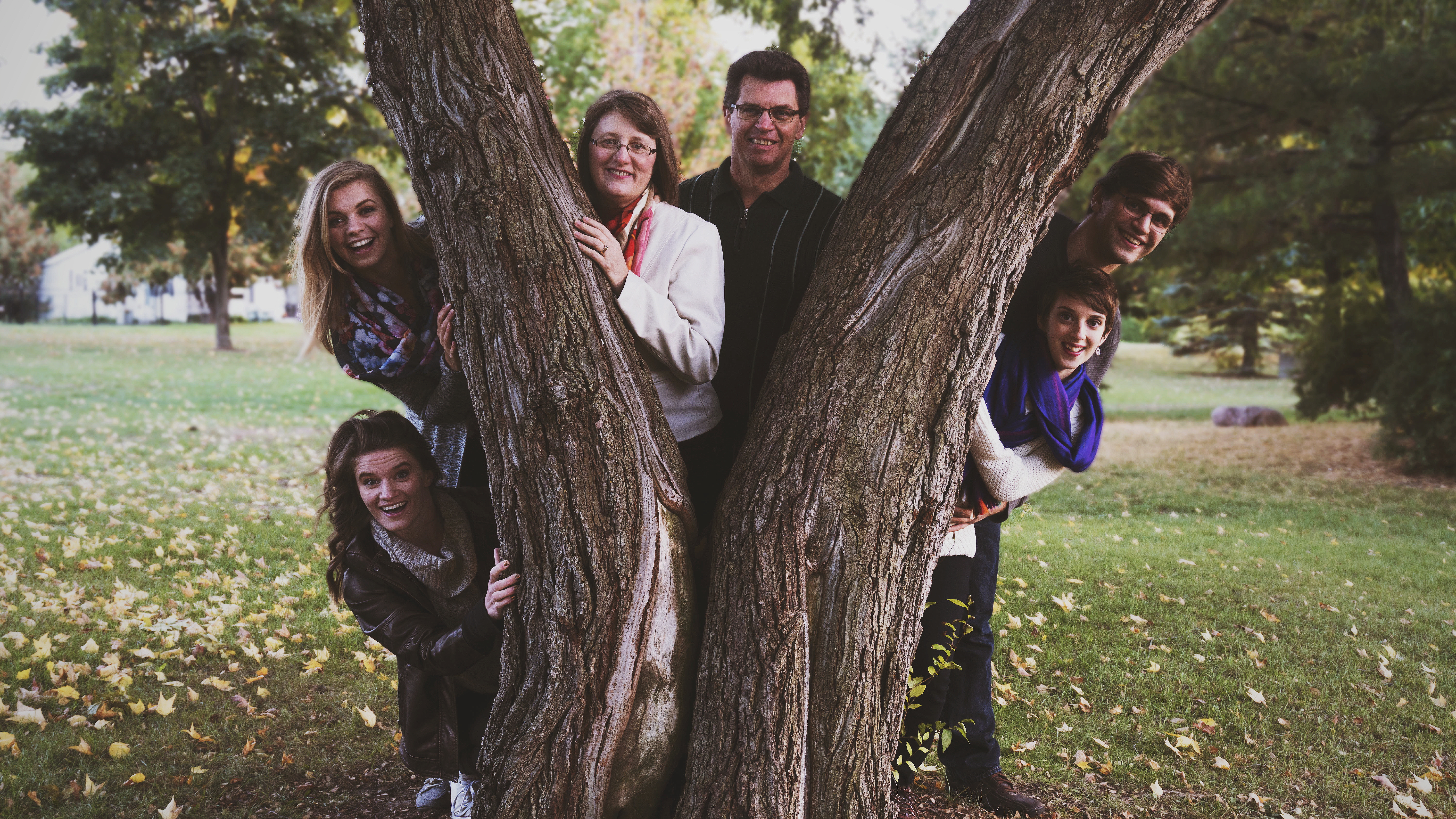
The Family Meeting After 30 Years

Processed with VSCO with m5 presetThis past month, Cathy and I celebrated 30 years of marriage. Over the years, we have gathered the family together for a specific purpose but in October, we had a meeting that focused on inheritance. This idea came from a book by Thomas Deans called Willing Wisdom, where he suggested a family should have this type of meeting every year. I saw this intentional time as an opportunity to pass wisdom to my heirs before the time of any type of wealth transfer.

It felt a little awkward at first and I figured that my kids would just see this as another of Dad’s crazy ideas. I have heard it said it is inevitable that there will be a family meeting where your financial affairs are discussed. However, it is up to you whether you will be alive to attend. I have determined to be there; the discussion time is valuable and the conversation will deepen if this happens yearly.

To begin, everyone was asked to share a word to describe our family and then an example of why that word was chosen. The answers received are a testament of our family dynamic: fun-loving, unique (in family discussions), accepting (it is ok if we disagree), supportive (of each other), in tune (connected to each other) and confident. Hearing these words was encouraging and a result of our investing in the lives of our children. It was like a reward for 30 years of marriage but we are not done yet. We must continue the family communication in order to finish well what we have started.

Keith Costello, president and CEO of the Canadian Institute of Financial Planning (CIFP) recently wrote about the great wealth transfer. He stated, “Baby boomers will inherit $750 billion over the next several years in the largest-ever transfer of wealth in Canada, estimates a recent report from Toronto-based Canadian Imperial Bank of Commerce (CIBC). Specifically, the report suggests that 2.5 million Canadians over the age of 75 have a total net worth of $900 billion or more — and the beneficiaries of this wealth will be Canadians aged between 50 and 75 years old.”

The most common approach for wealth transfer is to divide the inheritance equally among heirs but the challenge is to also ensure an appropriate distribution of wisdom to equip our heirs to properly manage this wealth. I recently spoke to some friends about my children having grown and matured. With sarcasm, I stated, “They grew up to have their own opinions that are not the same as mine.” The reality about our children is they will likely have different priorities than their parents, which is the reason family meetings are so important. Finishing well involves successful transfer of wisdom before any wealth transfer.

As a steward of all that has been entrusted to me, I feel responsible to prepare the next stewards to manage anything I may leave them. An annual family meeting where probing questions are posed can help the next generation connect with the values and plans that guide financial decisions.

Some examples of questions that will create discussion and reveal values are:

-What are your dreams? How would receiving an inheritance impact your dreams?

-What did you learn from your parents about money and generosity?

-How should each child be treated: equally or uniquely?


Leaving An Inheritance

inherit

As my wife and I went for a walk last evening, we spoke of our grandparents (all now deceased) and then our great-grandparents. In particular, we spoke of how little we know beyond two generations. We then talked about our grandchildren (not yet born) and great-grandchildren, wondering how much impact we will have on them.

Proverbs says, “A good man leaves an inheritance for his children’s children.”

On this subject, Larry Burkett wrote this: “If I had to identify the area of Christian finances that is least understood, it would be inheritance. Not only do people wreck their lives by hoarding, but they also wreck the lives of their children and grandchildren with abundant inheritance.”

In ancient times, an inheritance was often necessary for survival. Land being passed down was essential to provide food for the family. Today, an inheritance can be like winning the lottery or a windfall because, in many cases, children are making more money than their parents ever did and are often financially independent.

Ron Blue said, “Wealth never creates wisdom. Wisdom may create wealth. If you pass wisdom to your children, you probably can pass wealth to them. If they have enough wisdom, then they may not need your wealth.”

When we think about inheritance, we usually think wealth. In considering wealth and wisdom, which offers the most value? And which is most difficult to pass to the next generation? Since wisdom can create wealth, it seems logical that it is more valuable than wealth itself. Since wealth without wisdom has the ability to wreck the lives of our heirs, we must consider how best to pass on wisdom prior to passing on wealth.

All of our adult children are planning to be home for the Thanksgiving weekend. They will enjoy Mom’s home cooked meals and endure my Dad jokes while we play games, have a bike ride and go for a beautiful fall walk through the park. I cherish these times together, not just to make fond memories, but I am realizing these times are occasions for discussions where wisdom can be shared. So I am going to be deliberate and intentional about a family meeting in order to learn more about the basis of our values.

Having worked in the financial industry for 25 years, I know the conversation about finances is personal and private, yet these dialogues are so essential. I have some specific questions to ask that will probe deep into the hearts and minds of all of us. I plan to share these questions and the importance of a family meeting in my next blog.

Will you spend this long weekend with your family? What important discussions will you have with those you love?